

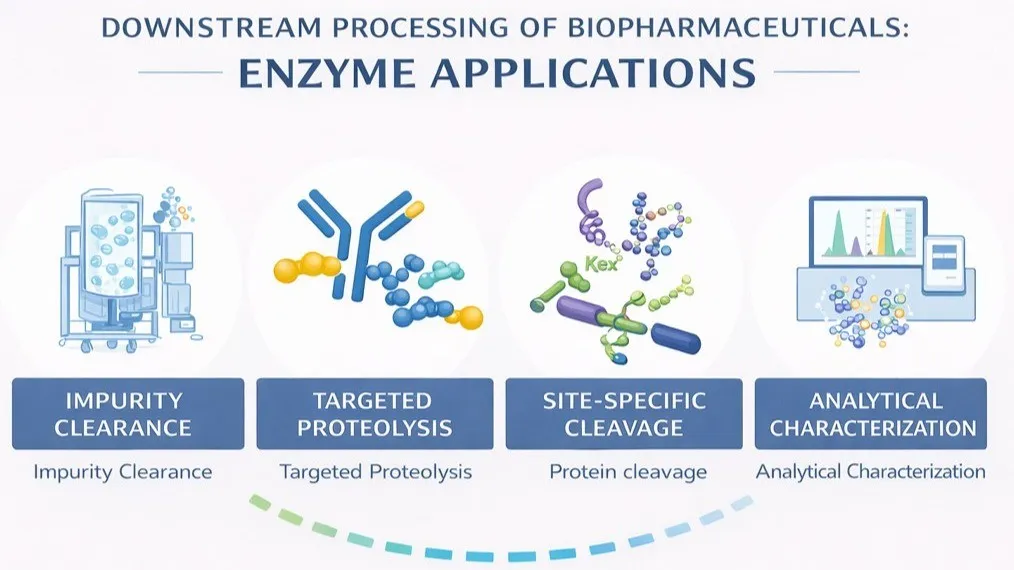
Enzyme Applications in Biopharmaceutical Downstream Processing
Enzyme Applications in Biopharmaceutical Downstream Processing
Downstream processing (DSP) refers to the steps used to recover, purify and analyze biopharmaceutical products after expression. While many DSP operations rely on physical or chemical methods, enzymes are used in specific situations where their selectivity and efficiency provide clear benefits.
In downstream workflows, enzymes are typically applied as process aids. They are added at defined stages, used under controlled conditions and removed or inactivated during subsequent steps. Their use is driven by practical needs such as impurity reduction, controlled protein.
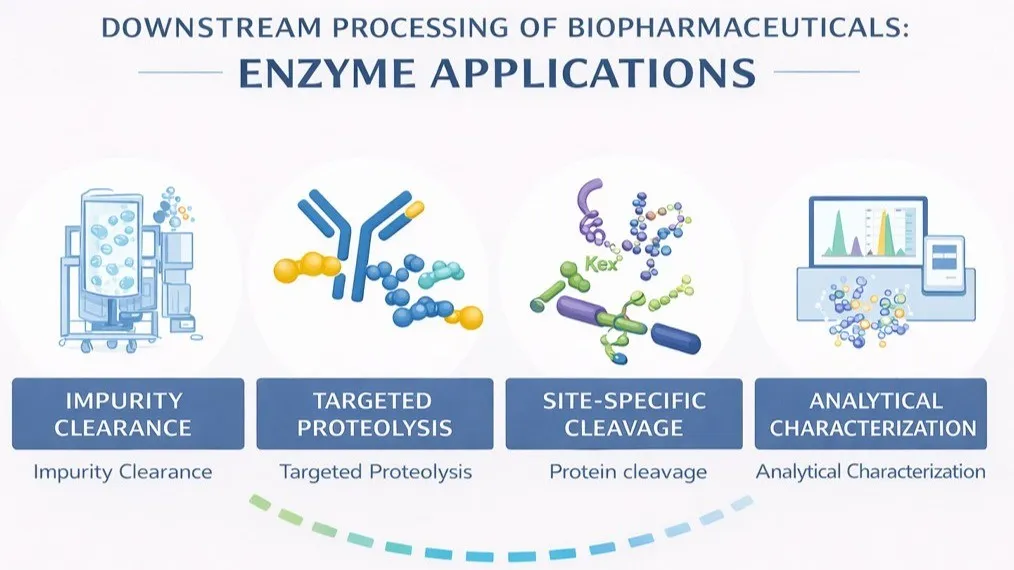
In practice, enzyme use in DSP is most often associated with impurity clearance, targeted proteolysis, site-specific cleavage and analytical characterization.
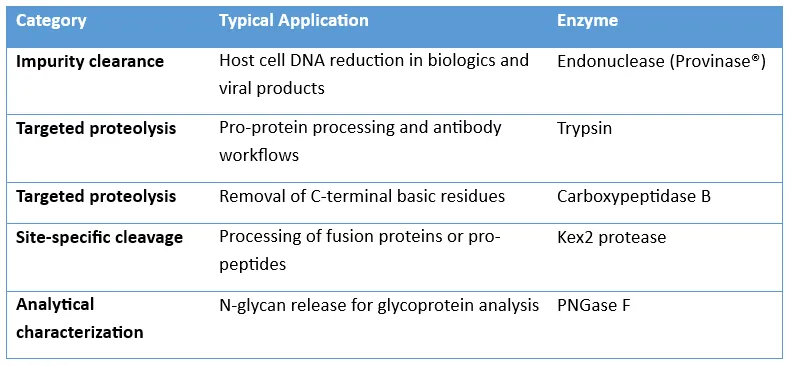
Examples of Enzyme Use in Downstream Processing
Impurity Clearance
Cell lysis releases large amounts of host cell DNA, which can increase viscosity and negatively affect filtration and chromatography. Endonucleases are commonly used to break this DNA into smaller fragments, making downstream handling easier and supporting regulatory expectations for residual DNA levels. This approach is widely applied in the manufacture of recombinant proteins, viral vectors and vaccines.
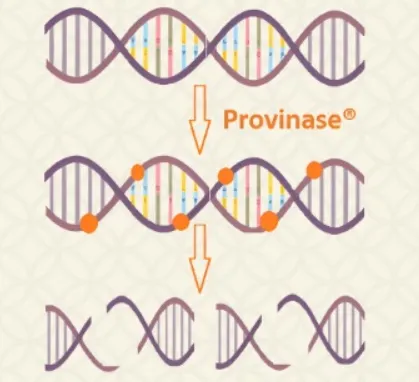
Enzymatic cleavage of DNA and RNA by an endonuclease (Provinase®).
Targeted Proteolysis
Proteases are used in DSP when controlled protein cleavage is required. Trypsin is applied in pro-protein processing and antibody-related workflows due to its predictable cleavage behavior. Carboxypeptidase B enables selective removal of C-terminal basic residues and is well established in insulin processing and in reducing basic variants in protein therapeutics. The choice of protease depends on the protein sequence, the desired outcome and downstream clearance considerations.
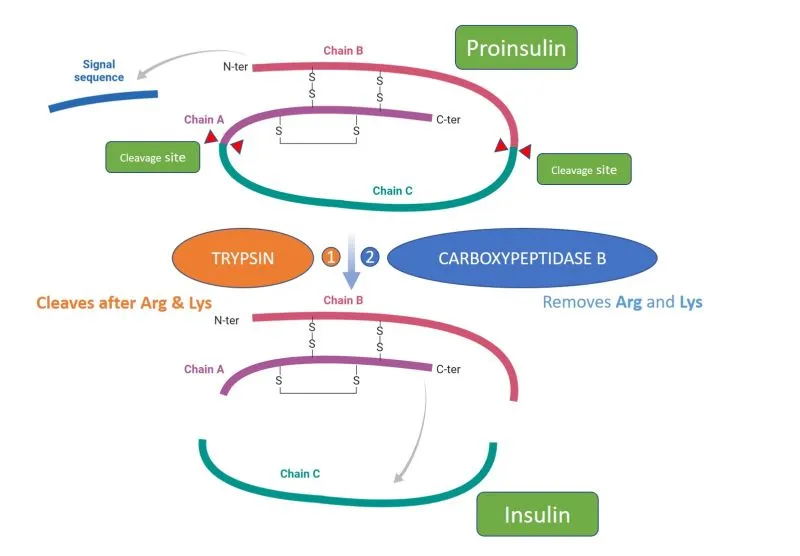
Role of Trypsin and Carboxypeptidase B in Insulin Manufacturing
Site-Specific Cleavage
Some processes require highly specific cleavage at defined sites. Kex2 protease recognizes paired basic residues and is used for processing fusion proteins or removing pro-peptides formed during recombinant expression. This allows precise structural modification without unnecessary degradation of the target molecule.
Analytical Characterization
Enzymes also play an important role in downstream analytical workflows. PNGase F is widely used to release N-linked glycans from glycoproteins. This step supports glycan profiling, bio similarity assessment and quality control of monoclonal antibodies and other glycoprotein-based products.
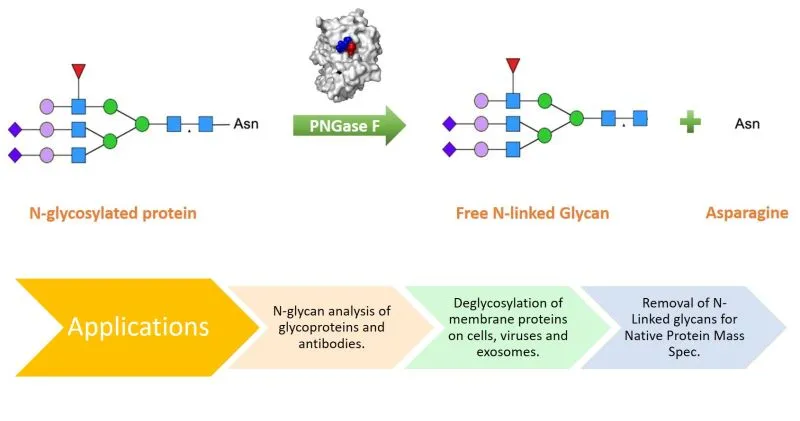
PNGase F–mediated removal of N-linked glycans from glycoproteins, releasing free glycans for analysis.
Closing Perspective
Enzymes are not used in every downstream process, but when applied with a clear purpose, they can simplify operations, improve impurity control and enable precise molecular changes. As biopharmaceutical products continue to increase in complexity, the careful and well-defined use of enzymes remains an important part of downstream processing and analytical strategy.
Stay Updated
Follow Provis Biolabs on LinkedIn for the latest biotechnology insights, product announcements and company news.
Explore
Related Products
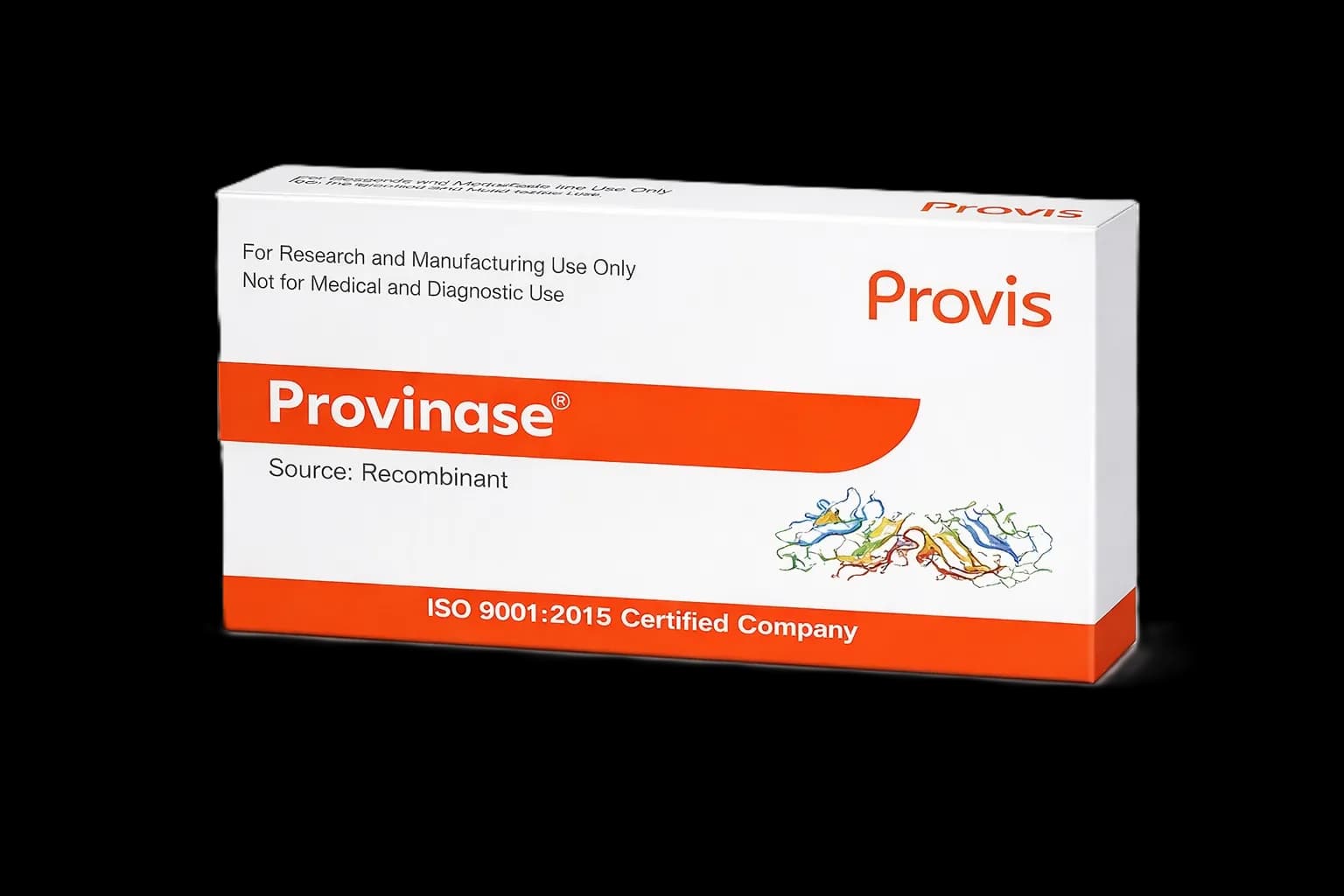
Provinase®
Flagship endonuclease for bioprocessing
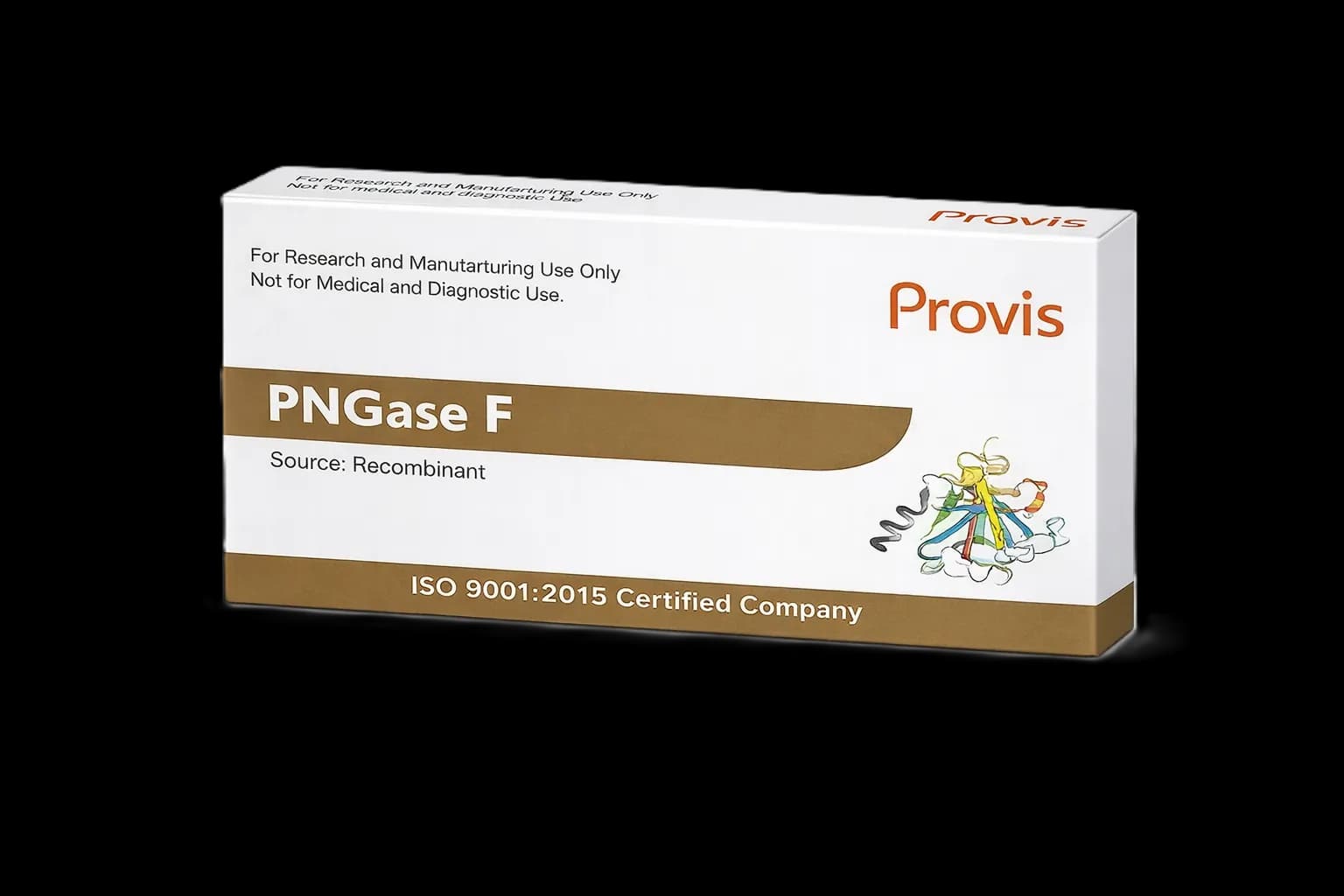
PNGase F
Recombinant enzyme for N-glycan removal
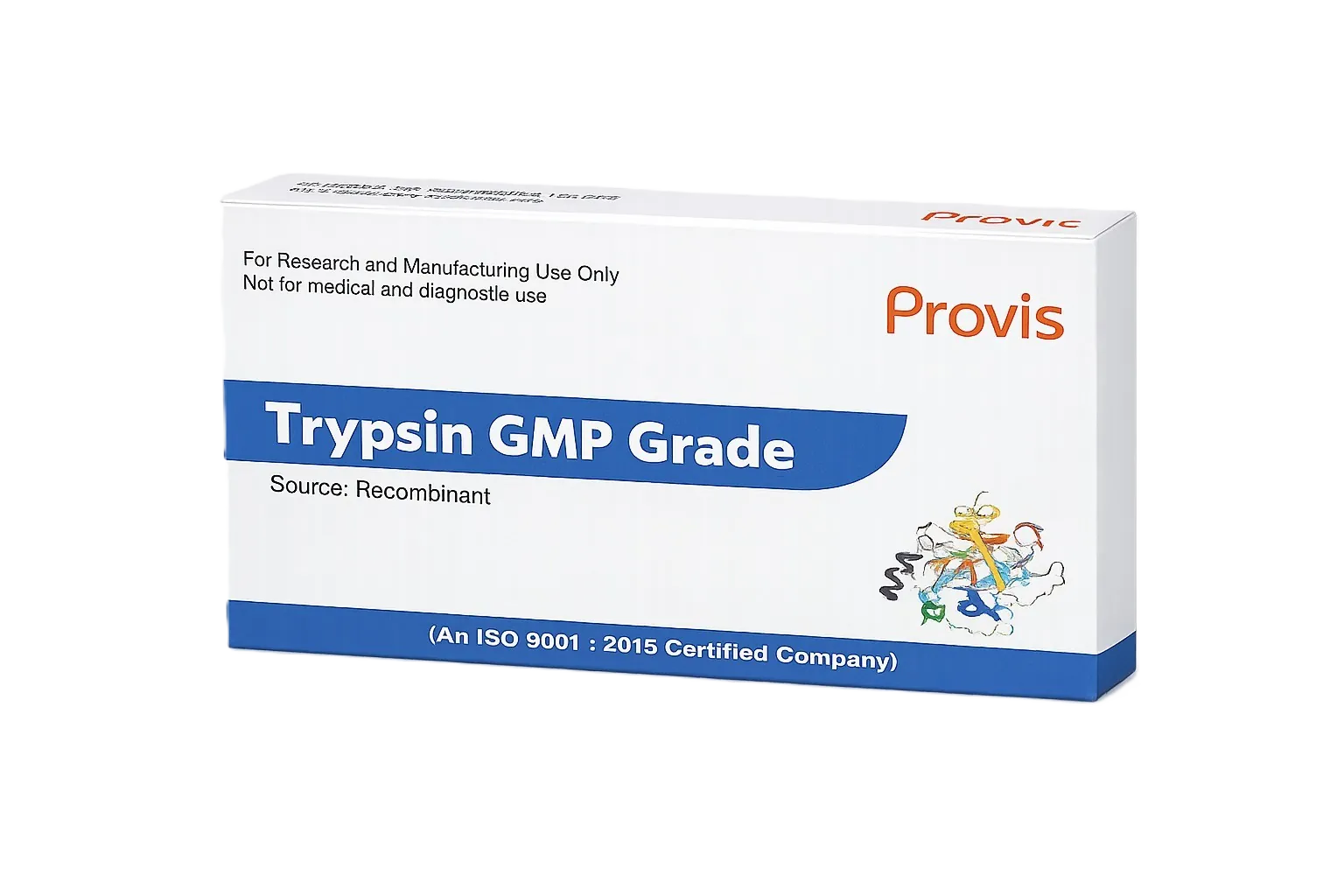
Trypsin
USP-grade recombinant trypsin enzyme
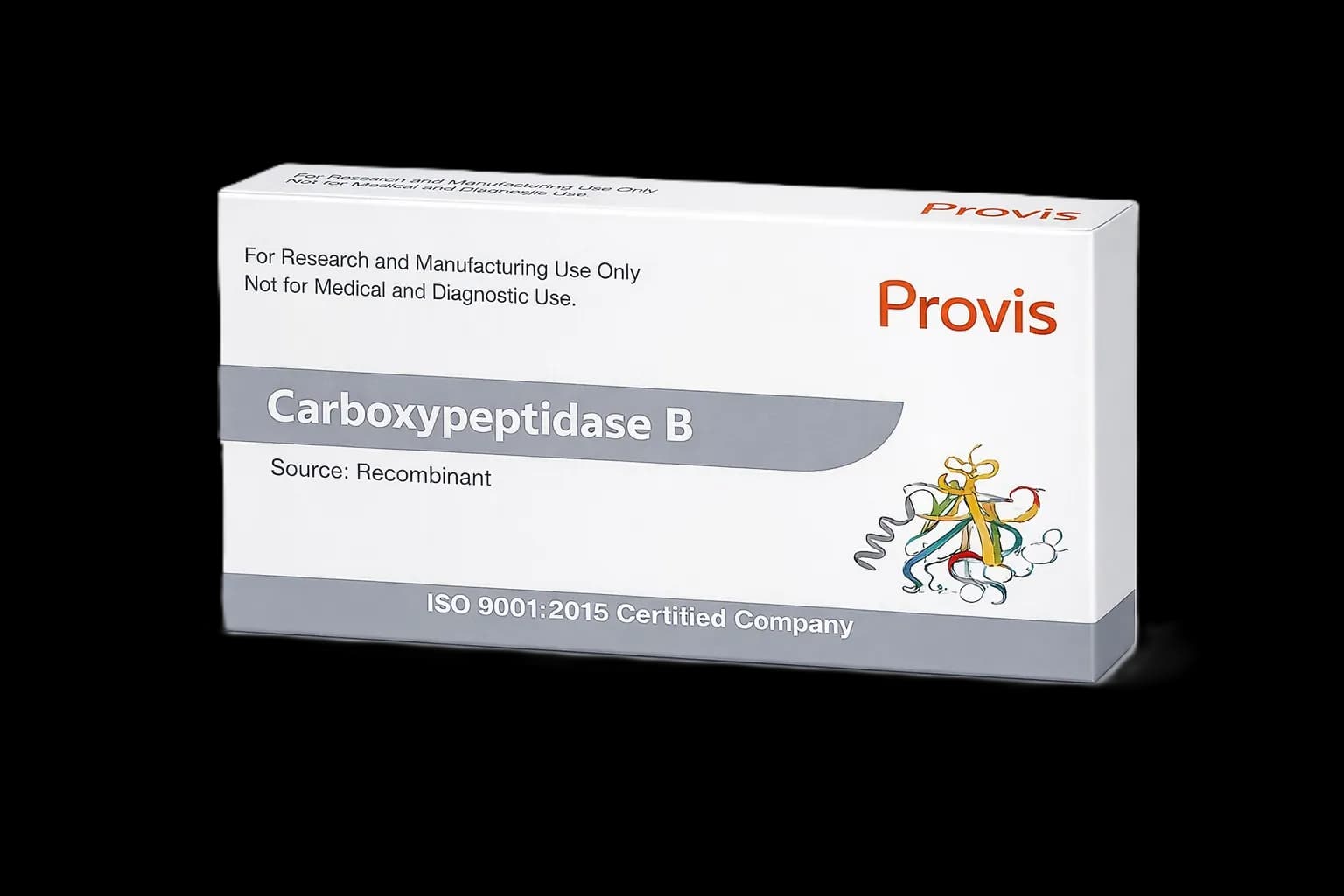
Carboxypeptidase B
Recombinant enzyme for C-terminal peptide cleavage